Tuesday, 30 November 2010

Steam Powered Aero-Plane!


Steam Powered Aero-Plane

I couldn’t possibly turn down the opportunity to illustrate a steam-powered aeroplane because anything that is unnaturally power.

Blunts Steam aeroplane was listed in the yellow book of text in the Edwardian Inventions page. HOWEVER I could not find any information on the inventor blunt nor his steam powered flying machine.

Due to this a dilemma appeared, I had to invent my own steam plane design rather that an artistic impression of the one listed in the yellow book of text. I found a great deal of information and photographs of real steam planes that existed and this provided solid ground for designing my own steam aero-plane.

Using reference of environments I began creating colour and environment tests through the use of very quick small-scale speed paintings using Corel Painter and Photoshop.


Originally I had hoped that the entire illustration could be painted in 2-3 hours to coincide with the speed painting aim I set in the statement of intent. However I couldn’t leave it in the state it was above, so I added much greater detail to all areas and as a result improved the image dramatically. The time taken to create the final image was around 5-6 hours.

Further Alterations required
The first thing I want to alter before I can consider this piece for a portfolio is to increase the detail in the foreground hills, the area where the two white rocks lie on the left hand side lacks detail and the grass texture looks a little repeated.

I also want to tweak the plane, such as more shadows, texture and wires fixing the wings together. Majorly I forgot to add in the actual engines! So that is a priority when i begin further work again on this peice.


Museum of Moustashes

Below shows the briefly the processes taken to reach the final piece (right image). Because of the very unusual panel shapes at the top I had to formulate my own text by hand drawing it as shown on the left image.

Similarly to the editorial I attempted to go for a slightly cartoony look in the way I drew the line work and the way I applied could in a simple cell shaded manor. The primary concern that presented itself was that a lot of negative space was present around the lettering and central image, as a result I had to improvise so I gathered various Edwardian patterns, live traced them and placed them around the border areas of the poster.


Further Alterations
The most important alteration I want to make to this piece before I consider it for the portfolio is to re create the pattern in the background of the poster. This way I wouldn’t be plagiarizing someone else’s pattern design and I could custom shape the pattern more effectively around the lettering and central image.

The font curved around the central illustration is also warped in certain areas, due to the curve modifier I added on Photoshop. Placing each letter by hand or using the tools on in design rather than Photoshop should be able to over come this issue.

Editorial

I’ve been a fan of Scott Kurtz work, a web comic artist seen to be the 'father/creator' of the web-comic genre. I’ve always wanted to create a web-comic style illustration but have never had the opportunity or brief that could make best use of that particular art style until now. It’s interesting to see how he creates his artwork, which can be seen on live drawing sessions most days.


Naturally I started out with initial drawings, developed ideas and then the final piece. Below is a visual timeline of the steps I took create it, and below that is the final piece itself.


Further Alterations that will be made in the future
The main aspects that need resolving on the image itself are the central two characters (scientist and passenger in yellow T-shirt). The cartoony look of these two characters does not match the slightly realistic look of the passengers in the background, for continuities sake these aspects could be changed.

Monday, 29 November 2010

Furhter summer work included the Edwardian Invetion, the Ornithopter. An invention listed in the yellow book of text allocated to us.

I decided to go with a different style of illustration for this one, making use of 3d generated software '3ds max'.


Creation Process

Before a render the illustration was a series of mathematical lines, rendered in real-time in a very simple optimised form:


Here is a comparison between renderers, on the left is the superior 'Vray' rendered image and on the right is the inferior default 'Scanline' render.

Looking Back

Summer Work

More Cutaway Illustrations over Summer

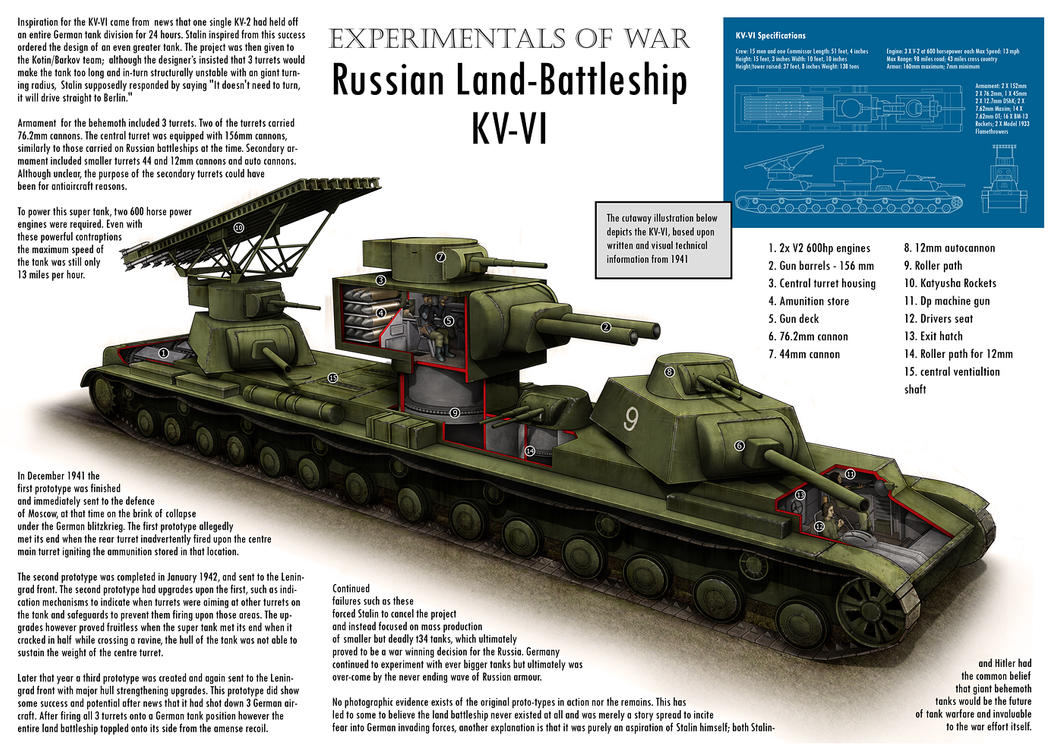
Initially in the final major study module of year 2 I wanted to create three cutaway illustration, but due to time constraints narrowed it down to two, the third I never had time to create was the Russian Land battleship. As a result I was a eager to allocate time over summer to create the illustration.

This cutaway took approximately 2 weeks to create, though work was done on and off each day. in terms of hours it probably took around 15-20 hours.

The style was further developed than the previous two, incorporating new ideas such as the implementation of characters/figures into the cutaways to both give a sense of scale and activity to the vehicle itself. Wear was also applied in the forms of mud splatter and rust on the edges to give the vehicle a more war torn feel, which the previous cutaway illustrious lacked. Other minor aspects were added to supplement the illustration further such as the ground texture and co-ordinated shadows to make the vehicle appear as if it were in an environment.